Make one clear list, not a stream of messages
When you spot a problem in a new home or after renovation work, it is tempting to send a photograph immediately. Later, it can be difficult to remember which room it belongs to, whether the builder replied or whether the same issue was reported twice.
Create one dated list for the property. Give every issue its own reference and location. A snag list records the items you are raising; it does not by itself prove the cause, responsibility or an entitlement to a particular repair.
Include the reference, room, exact position, observation, photographs, requested next step and current status. Add an agreed target date when you have one. Seek appropriate help promptly for a safety concern rather than waiting to finish the list.
Take a context photo and a detail photo
The builder needs to find the issue as well as see it. Take a wider view showing its position in the room, then a close-up of the visible problem. Keep the originals. Avoid including people, private documents or unrelated belongings.
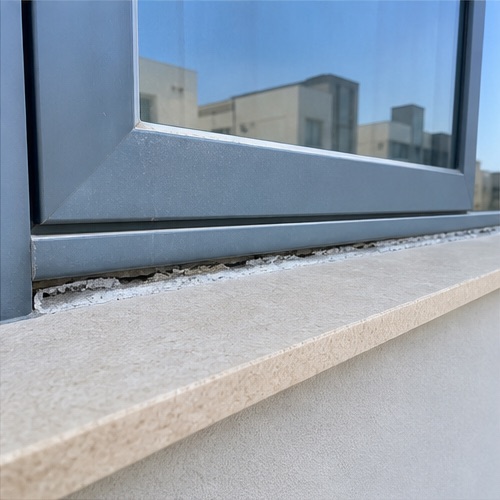
Describe the approximate extent if useful. Do not edit an image in a way that changes the apparent condition. If you annotate a copy, retain the original alongside it.
Describe what you can see, not an unverified cause
Less useful:“Window fitted badly.”
More useful:“Living room, lower edge of the window beside the balcony door: a visible gap remains in the sealant. Please inspect and confirm how it will be made good.”
Keep the observation separate from the requested action. You can ask for inspection or clarification when the technical repair decision needs professional input.
In SnagAction, complete the category, report wording and requested action. Use clear, factual wording. Review the report before issuing it.
A message you can adapt
Replace the brackets and attach your dated report using the contact channel agreed for the property.
Subject: [Property / unit] · items recorded on [date]
Hello [name],
Please find attached the list of visible issues recorded at [property / unit] on [date]. Each item has a reference, location and supporting photographs.
Please confirm receipt, let me know which items you agree to address and suggest a target date for each. If any item needs clarification or is disputed, please reply using its reference so we can keep the record clear.
Please also confirm how we should arrange access and a follow-up visit after the work.
Thank you,
[Your name]
This is a practical covering message, not a formal legal notice. If a deadline or dispute matters, get local advice on the appropriate procedure.
Keep replies connected to the original item
Save the report and response. Distinguish a proposed date from an agreed one. If the builder says “done”, keep that as their update until you or your inspector have checked the result.
Share SnagAction’s issued PDF by email or your usual messaging service. The builder does not need an account to read it. Communication and arranging repairs remain between you and the builder.
At the next visit, check repairs using the original references. For the first visit, use the handover checklist.
Know the limits of a home checklist
This guide helps you record visible conditions. It is not a structural survey, safety certificate or legal assessment, and does not set warranty deadlines or determine liability. Follow your own contract and local professional advice. Do not open electrical equipment, climb to unsafe areas or test anything you are unsure about.
For background, see RICS’s explanation of snagging. Its UK context does not establish local rights or requirements.
See your own notes become a snag report.
Add up to three snags with your own photos and observations. No account or card required. The preview stays in your browser; saving a cloud project and issuing the full PDF require a plan.
Create your own report previewNeed room-by-room guidance? Or explore snagging report software for inspectors.
Paid access includes one property’s notes, photos, initial report and later close-out revisions. €15 once per property. Compare plans.